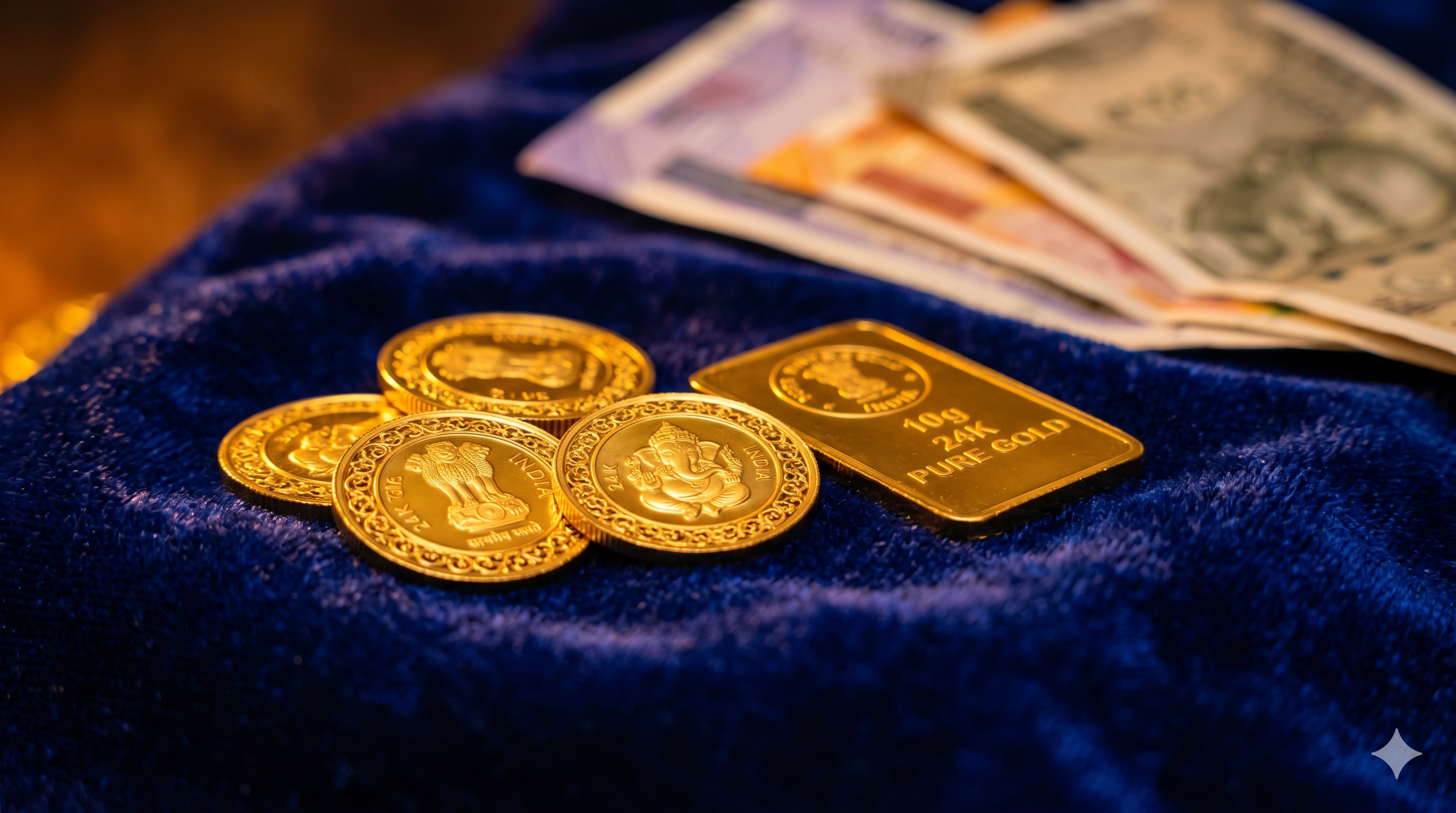
On June 14, 2026, US President Donald Trump announced with characteristic flair — "Ships of the World, start your engines. Let the Oil flow" — that the United States and Iran had signed a preliminary peace agreement to end the Gulf conflict and reopen the Strait of Hormuz. Markets reacted instantly. Oil collapsed. Equities rallied. And gold did something unexpected: it rose 2.7% to $4,334/oz — its highest level since June 9.
This counterintuitive reaction has forced investors to completely rethink the gold thesis for the second half of 2026. Here is a complete analysis of what happened, why gold rose instead of falling, and — crucially — what the AI models and major bank forecasts are saying about gold's trajectory from here.
What Exactly Happened — The Timeline
Why Did Gold Rise on a "Risk-On" Peace Deal? The 3 Real Reasons
Reason 1: Dollar Weakness Overpowered the Risk-Off Rotation
The US-Iran peace deal weakened the US dollar because it dramatically reduced the probability of further Federal Reserve rate hikes. Markets had previously priced in 1-2 additional rate hikes in 2026 to combat oil-driven inflation. With oil now falling toward $83/barrel (from $100+), inflation expectations collapsed — and so did rate-hike bets. Gold, which is priced in dollars, surged as the dollar index fell.
Reason 2: Institutional "Barbell Strategy" — Equity + Gold Together
Sophisticated institutional investors did not simply sell gold to buy equities. Instead, as strategists at Global X ETFs noted, they ran a barbell strategy: allocating to equities on deal optimism while retaining gold and Treasuries as insurance against deal failure. The preliminary peace deal is exactly that — preliminary. A formal, permanent truce is yet to be negotiated. Until that happens, gold remains valuable insurance.
Reason 3: Central Bank Buying Never Stopped
Central banks — China's PBOC, India's RBI, Poland, Turkey — did not change their gold buying programs based on the Iran deal. Their purchases are driven by de-dollarization and long-term reserve diversification, not short-term geopolitical events. This structural demand continues to provide a floor below gold prices regardless of the geopolitical backdrop.
🤖 AI Scenario Analysis — 3 Gold Price Forecasts for H2 2026
India 24K: ₹17,500–₹19,500/gram
India 24K: ₹14,000–₹16,000/gram
India 24K: ₹12,500–₹14,000/gram
"The asymmetry here is significant. Full implementation delivers a moderate benefit: lower oil, stable equities. Deal failure delivers a severe penalty: oil spike, inflation re-acceleration. This asymmetry justifies retaining gold even as equities rally." — Global X ETFs Strategy Note, June 15, 2026
Impact on India Gold Price — What Indian Investors Must Know
Major Bank Targets — Still Valid After the Peace Deal?
Key Dates to Watch — June 19, 2026 is Critical
According to market analysts, June 19, 2026 is the anticipated formal signing date for the US-Iran permanent peace treaty. A failure to sign on or around this date would likely trigger rapid oil price reversal and gold volatility. Watch these indicators:
- June 19: Formal treaty signing date — if delayed, expect gold to spike
- June 18: US Federal Reserve rate decision — expected to hold rates steady
- Weekly Strait of Hormuz tanker flow data — most reliable indicator of deal implementation
- Iranian oil export levels — should recover toward 70% of pre-war output within 30 days under successful implementation
🤖 AI Suggestion: What Should Indian Gold Investors Do Now?
Based on analysis of current gold market conditions, the Iran peace deal's implementation risks, and India-specific factors:
- If you have NO gold exposure: Start a SIP or buy small amounts now. Don't wait for the "perfect" entry — the base case of $4,200-$4,800 still offers upside.
- If you hold physical gold: Hold. The deal is preliminary — no permanent truce yet. Too early to sell on peace deal hopes.
- If you want to add more: Wait for formal treaty signing (June 19). If deal is confirmed, buy the dip if gold corrects. If deal fails, gold spikes — you'll be glad you held.
- Best instrument for India right now: Sovereign Gold Bonds (when next tranche opens) — earn 2.5% interest + gold appreciation + zero tax on maturity.
- Avoid: Timing the market. No one predicted gold would RISE on a peace deal — that tells you how complex this market is.
People Also Ask — US-Iran Deal & Gold
Bottom Line
The US-Iran peace deal is a rare example of a "risk-on" catalyst that paradoxically supported gold prices. Lower oil → lower inflation → Fed rate pause → weaker dollar → bullish gold. Combined with institutional hedging against deal failure risk and ongoing central bank buying, gold has found new reasons to stay elevated even as the geopolitical fear premium partially dissipates.
The next critical catalyst is June 19's formal signing. If it happens cleanly, expect gold to consolidate at $4,200-$4,400 before the next leg higher driven by dollar weakness. If it fails, expect oil to spike and gold to react violently in either direction. Stay informed, stay diversified, and — if in doubt — dollar-cost average.